
Provence Lavender
The 2026 Provence lavender season peaks from mid-June to mid-July in the Valensole Plateau and the Luberon Valley. For late-summer travelers, the high-altitude fields of Sault offer vibrant blooms until early August. To experience this “Quiet Luxury” landscape authentically, prioritize AOP-certified oils and early morning visits to avoid crowds at iconic spots like Sénanque.
Chasing Purple Gold: The Ultimate 2026 Guide to Provence Lavender Season & Hidden Vistas
Imagine the scent of sun-drenched earth mingling with a honeyed, herbaceous breeze as the mist retreats from the Luberon valley.
To witness the provence lavender bloom is not merely a sightseeing box to check; it is a sensory immersion into the very soul of the French South, provided you know exactly where, and when, to look.
The 2026 Calendar: Timing Your Olfactory Escape
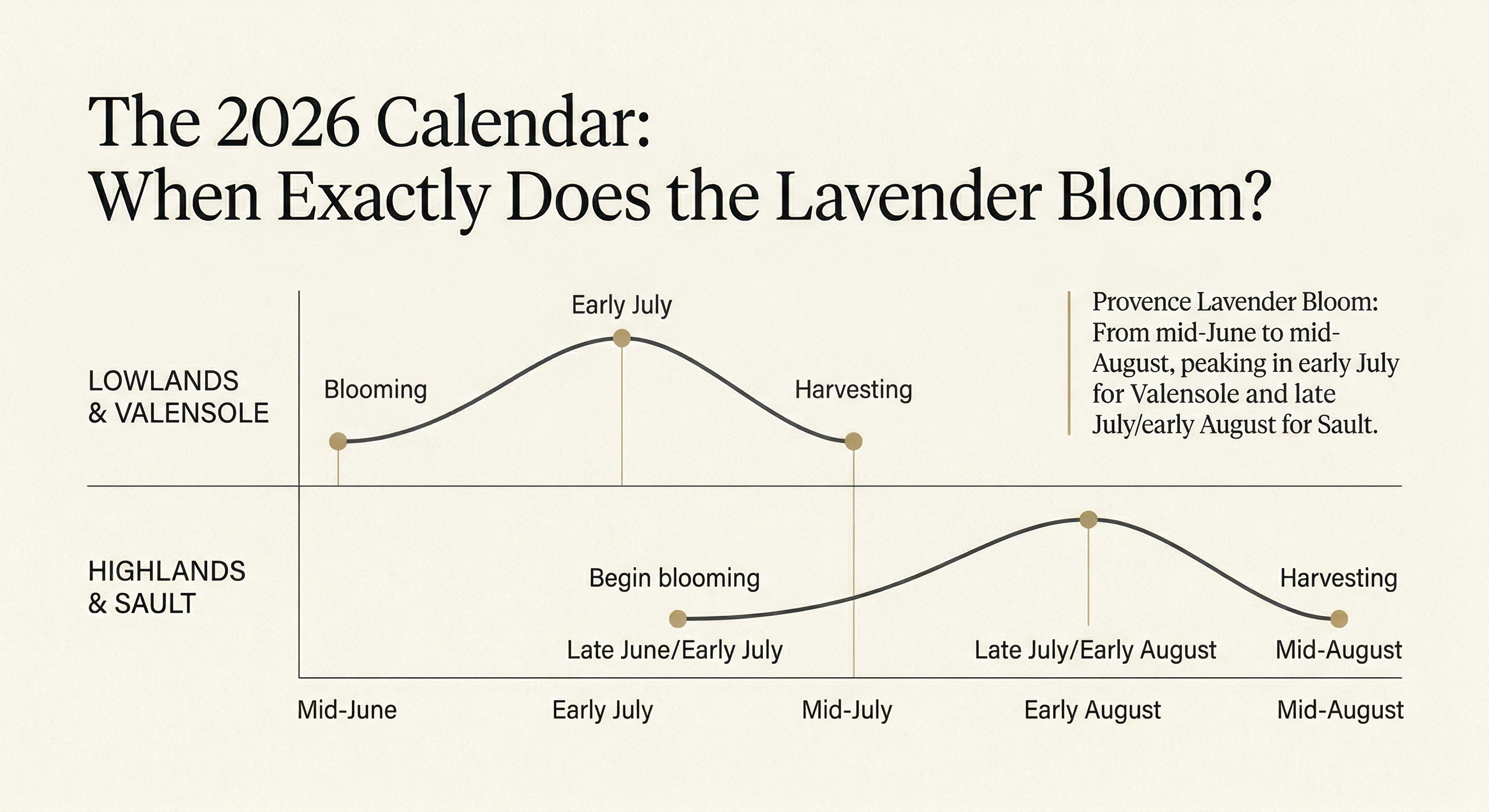
Precision is the hallmark of the sophisticated traveler, and the 2026 lavender bloom demands a calculated itinerary.
While nature remains temperamental, the Plateau de Valensole typically reaches its peak cerulean brilliance between June 20 and July 15.
If your journey brings you to France later in the summer, shift your gaze toward the Highlands of Sault.
Due to the higher altitude, these fields retain their vivid purple hue well into the first week of August, offering a cooler, more clandestine experience away from the mid-summer heat.
Geography of Scent: Choosing Your Lavender Region
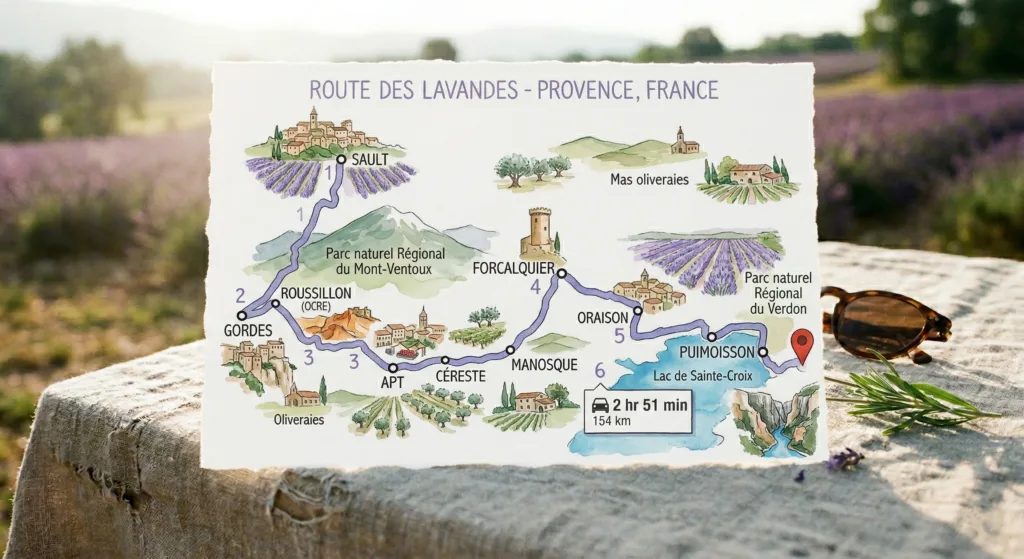
The Iconic Valensole Plateau
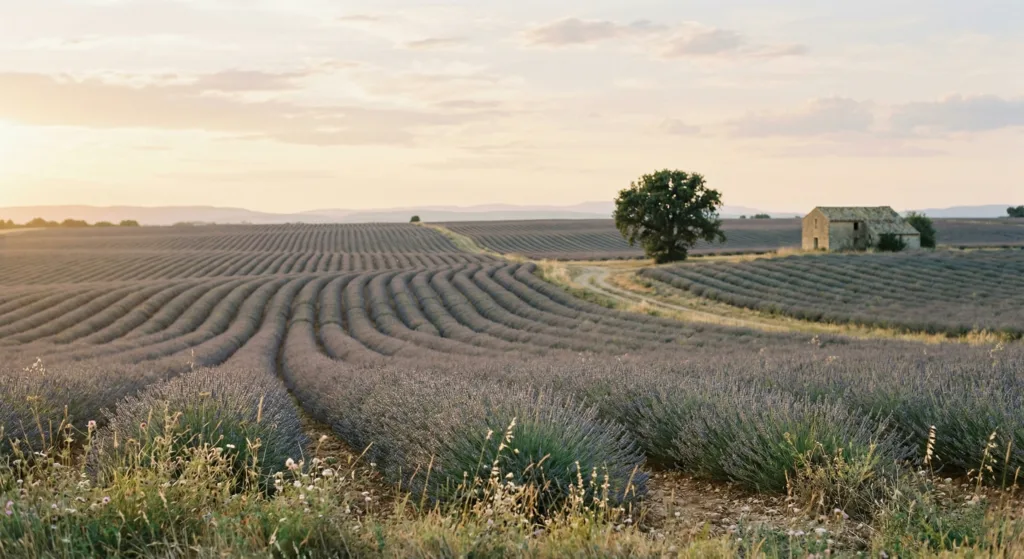
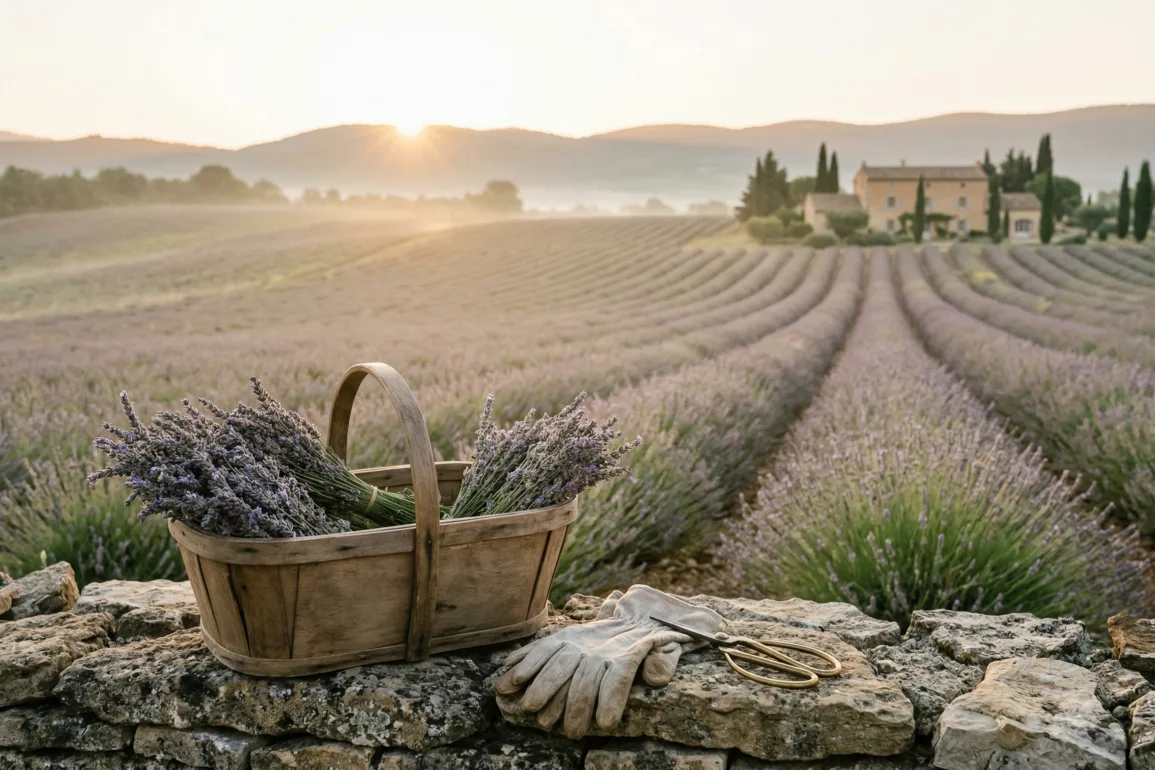
This is the “Ocean of Purple” often seen in high-fashion editorials, where the rows seem to stretch into infinity. For 2026, I recommend focusing on the backroads leading toward Puimoisson, where the light at “Golden Hour” creates a shimmering violet patina that is simply unparalleled for photography.
The Luberon Valley: Stone and Petals
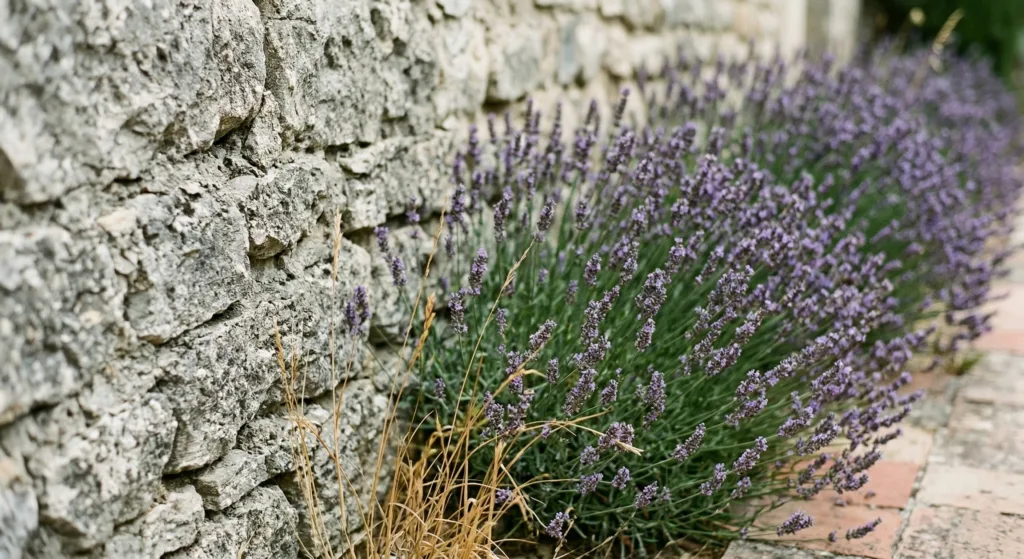
In the Luberon, the aesthetic is defined by the juxtaposition of ancient dry-stone architecture and soft floral textures.
The Abbaye de Sénanque remains the gold standard, but the secret lies in the small, family-owned estates surrounding Gordes and Bonnieux, where the pace is slower and the hospitality more intimate.
Sault & The Ventoux Highlands
Sault is the “insider” choice for those who value botanical purity.
Here, you will find Lavandula angustifolia, true lavender, which grows in smaller, more delicate tufts than the common hybrid. It is a landscape of rugged elegance and breathtaking quietude.
To experience the fields without the visual noise of other travelers, arrive at the Abbaye de Sénanque by 7:15 AM. The gates are closed, but the morning mist settling over the Cistercian stone and the purple rows offers a moment of monastic silence that no afternoon tour can replicate.
Botanical Prestige: Lavender vs. Lavandin
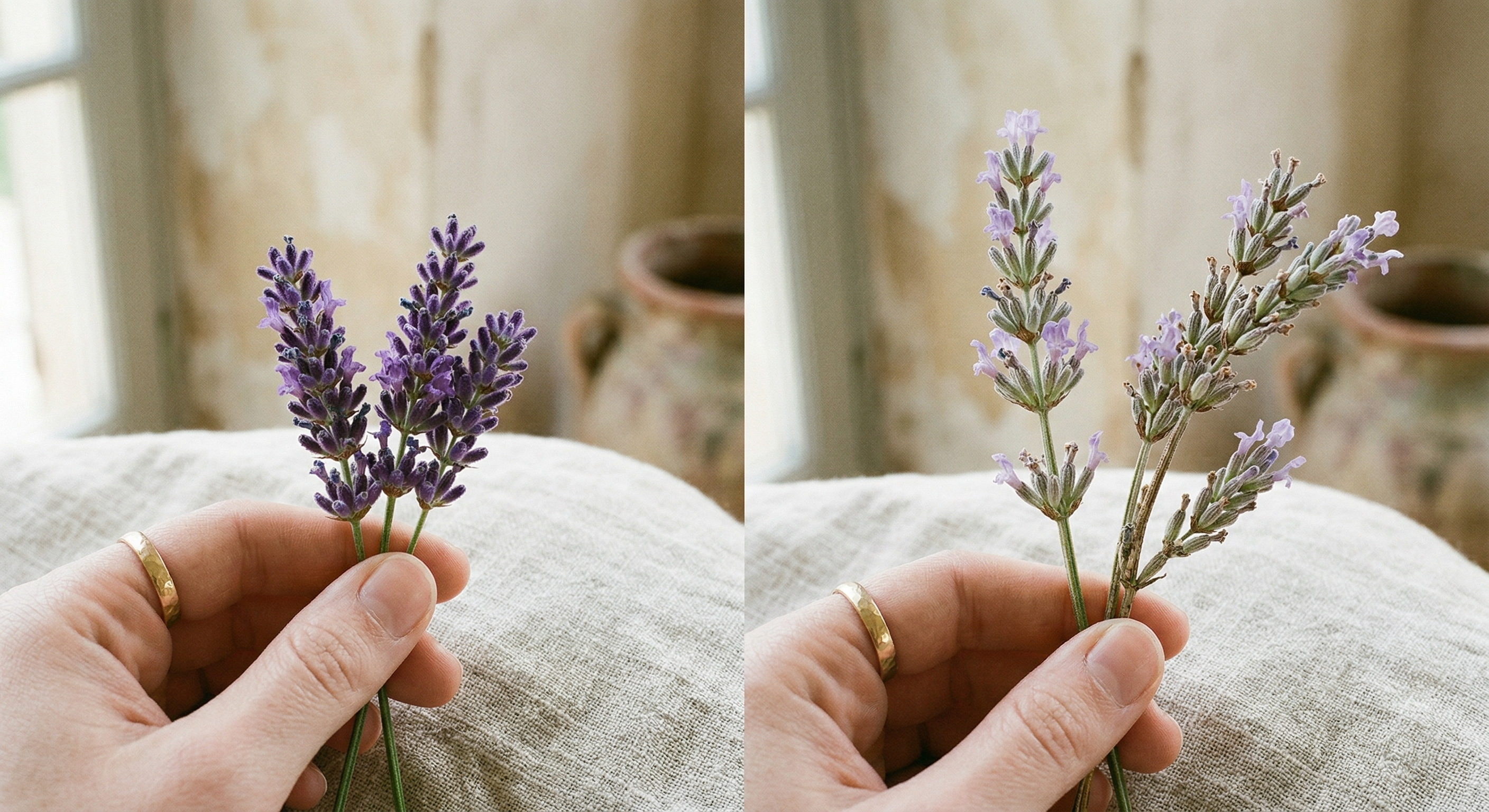
Understanding the distinction is a mark of true connoisseurship.
Most of the vast, uniform fields you see are Lavandin, a robust hybrid prized for its high oil yield and intense camphor scent. It is stunning to behold, but it lacks the olfactory complexity of “True Lavender.”
True Lavender (Fine Lavender) is the “Grand Cru” of the region, growing at altitudes above 800 meters. Its scent is ethereal, sweet, and medicinal, often used in the highest concentrations of niche perfumery.
When shopping at local distilleries, always look for the AOP (Appellation d’Origine Protégée) seal to ensure you are investing in authentic heritage.
The Art of the Visit: Etiquette & Style
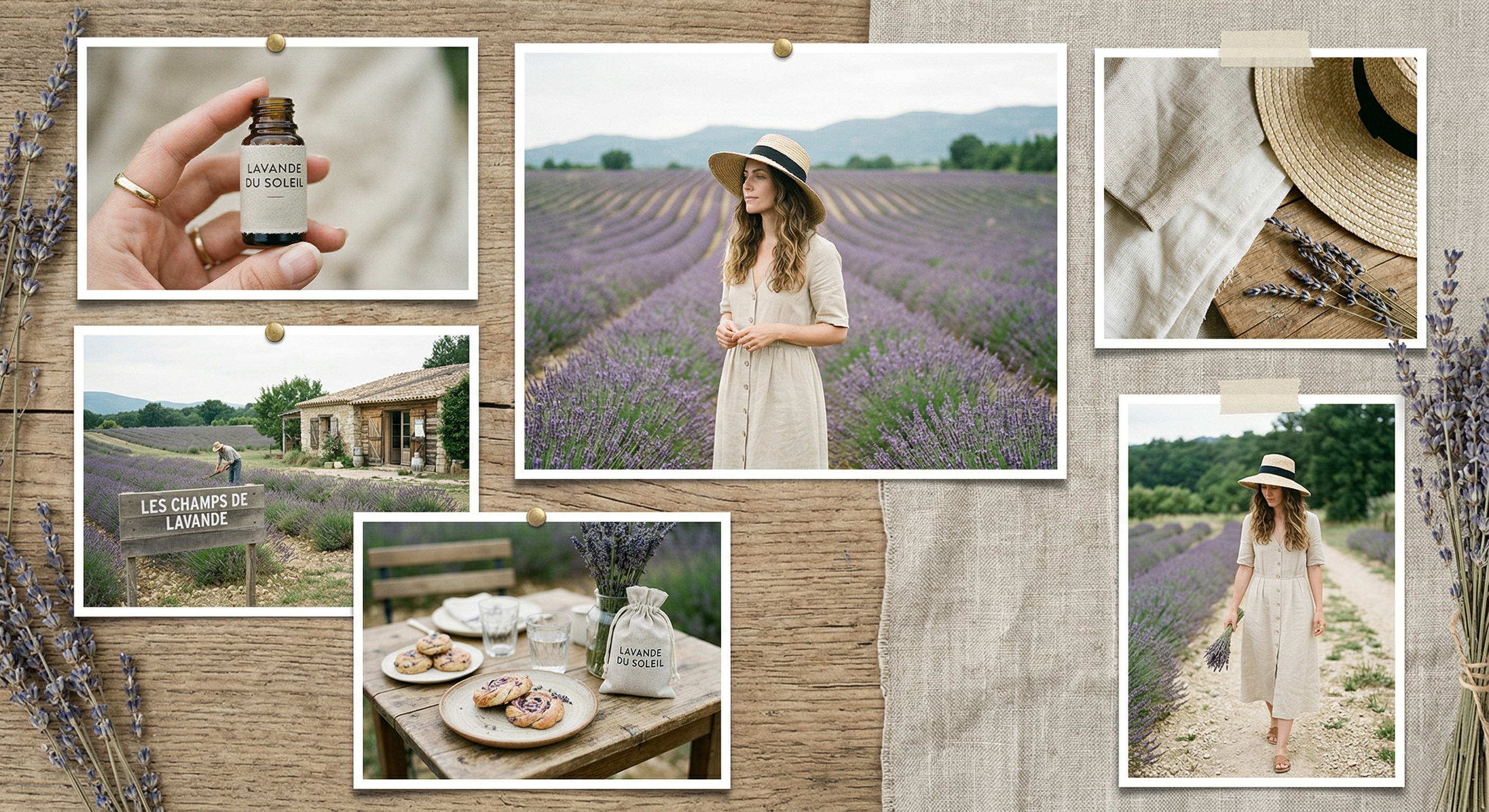
In 2026, luxury is synonymous with sustainability and respect. Remember that these fields are the livelihoods of local farmers; never pick the blooms or trample the rows. Instead, support the local economy by visiting the distillery boutiques to purchase high-grade essential oils and linen sachets.
For your ensemble, prioritize natural fibers like cream linens or silk habotai that breathe in the Provençal heat. A wide-brimmed straw hat from a local millier isn’t just a style statement, it’s a necessity for the unapologetic Mediterranean sun.
Lavender is the soul of the region’s style, a key element often featured among the secrets to French country interior decorating.
Whether you are capturing the perfect silhouette in Valensole or wandering the quiet slopes of Sault, the provence lavender season is an annual masterpiece of French craftsmanship and natural wonder that continues to redefine the art of slow living.
Which region of Provence speaks more to your soul: the vast, cinematic horizons of Valensole or the intimate, stone-walled valleys of the Luberon?