

The French Art of Picnicking
Beyond a mere outdoor meal, picnicking is a refined heritage born in 17th-century France. Originally an indoor, collaborative pique-nique for the elite, this tradition evolved from intellectual aristocratic salons to the manicured lawns of Versailles. Understanding the word origin picnic reveals a history of shared gastronomy, curated elegance, and a poetic rebellion against the mundane, exported to the world by exiled French nobles.
The Art of the Plein Air Feast: Unearthing the French Soul of the Picnic
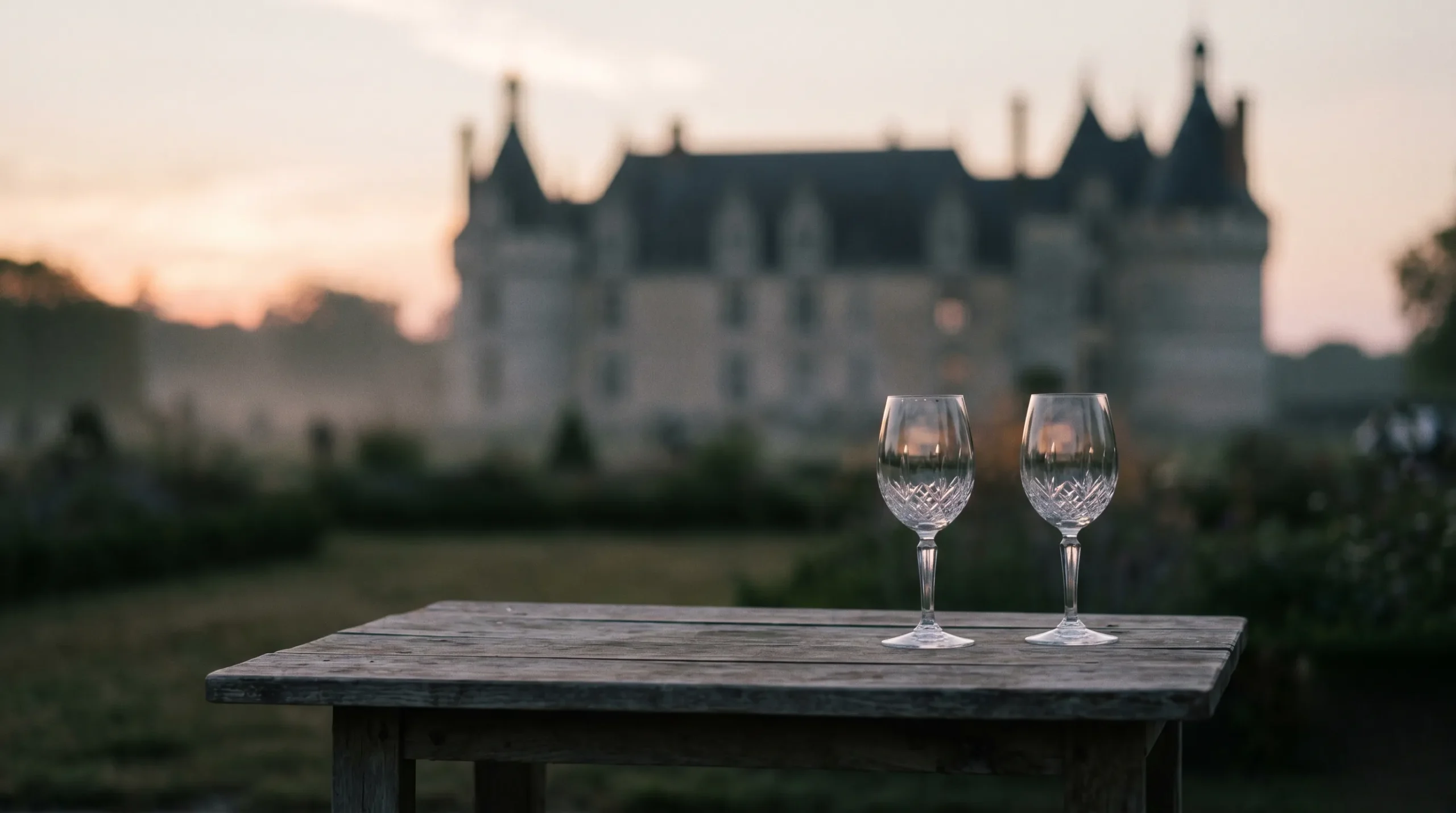
The afternoon light filters through the ancient chestnuts of a private estate, casting dappled shadows across a hand-woven linen spread. There is a specific scent to these moments, a marriage of crushed wild thyme, the mineral coolness of a stone-chilled Rosé, and the tactile promise of a crusty baguette wrapped in wax paper.
For the discerning enthusiast, picnicking is never about mere convenience. It is a slow, deliberate ritual of connection that carries the weight of three centuries of French refinement and a quiet devotion to the beauty of the outdoors.
I. The Linguistics of Leisure: Where Does the Word Picnic Come From?
To truly appreciate the modern feast, one must trace the elegant etymology back to the year 1692. The word origin picnic lies in the French term pique-nique, a playful construction combining piquer, meaning to peck or graze, with nique, a term referring to a small thing or a trifle of little value.
When inquiring where does the word picnic come from, one discovers it was initially an indoor affair. It described a sophisticated social gathering where guests were expected to contribute a dish or a bottle of wine, transforming a meal into a collaborative tapestry of tastes and conversations among the Parisian elite.
The Classic Pique-Nique
An elite, collaborative indoor salon event where the focus remained on intellectual exchange and shared gourmet contributions within gilded walls.
The Modern Picnic
An expansive, nature-focused experience where the landscape serves as the dining room, emphasizing seasonal simplicity and the luxury of open space.
II. From Gilded Salons to Royal Gardens: The Aristocratic Evolution
As the 18th century flourished, the practice migrated from the shadows of the salons into the sun-drenched gardens of the French monarchy. At Versailles, the concept of dining al fresco became a theatrical display of wealth and proximity to nature, often involving elaborate tents and musicians hidden among the groves.
The landscape of the picnic changed forever with the French Revolution. Nobles fleeing the guillotine carried their refined habits across the Channel to London, introducing the British upper class to the pique-nique as a symbol of cultural endurance and high-society flair.
The original aristocratic potluck often featured an Authentic French Gougères Recipe, as these airy cheese puffs were easily transported and perfectly paired with the sparkling wines favored by the exiled court.
III. The Quiet Luxury of the Modern Plein Air Feast
In our contemporary world, the picnic has reclaimed its status as an exercise in quiet luxury. It is an intentional pause, a curated rejection of the fast-paced digital life in favor of tangible textures and artisanal craftsmanship that honor the land.
Preparation is paramount for the modern sophisticate. Selecting the right Dress Code For a Garden Party or an afternoon in the park ensures that the aesthetic harmony of the event matches the quality of the organic, estate-grown ingredients in the basket.
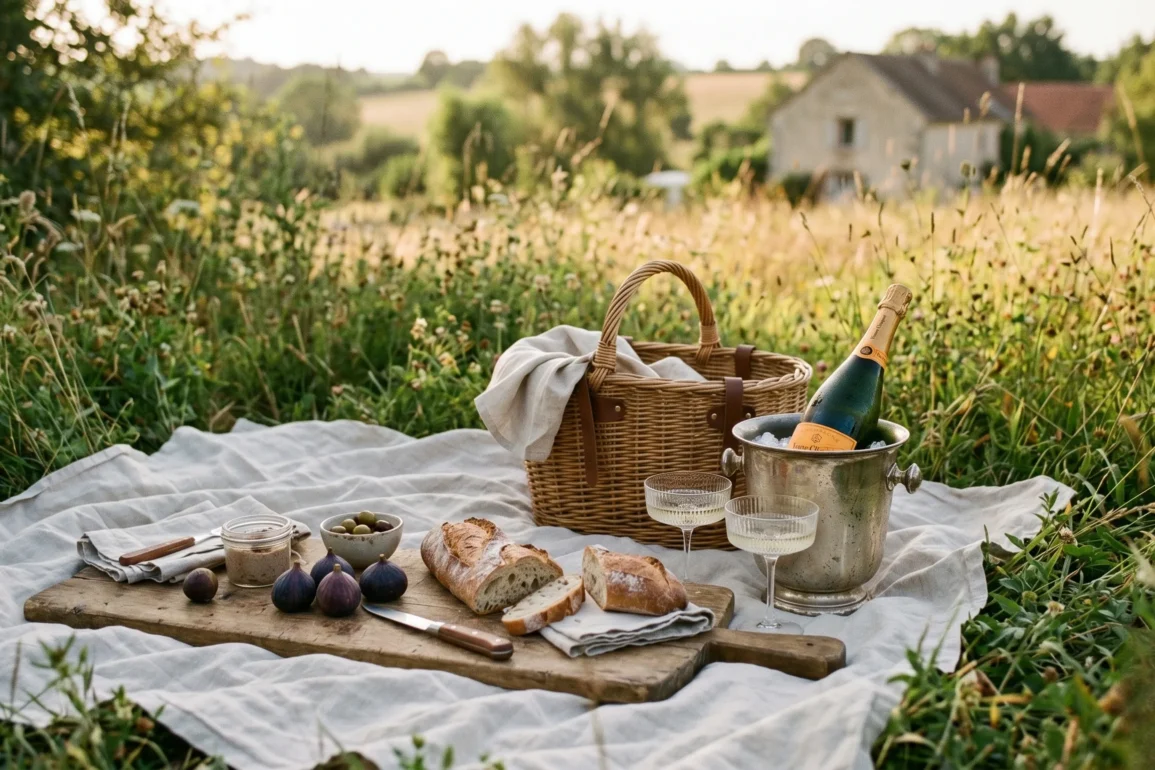
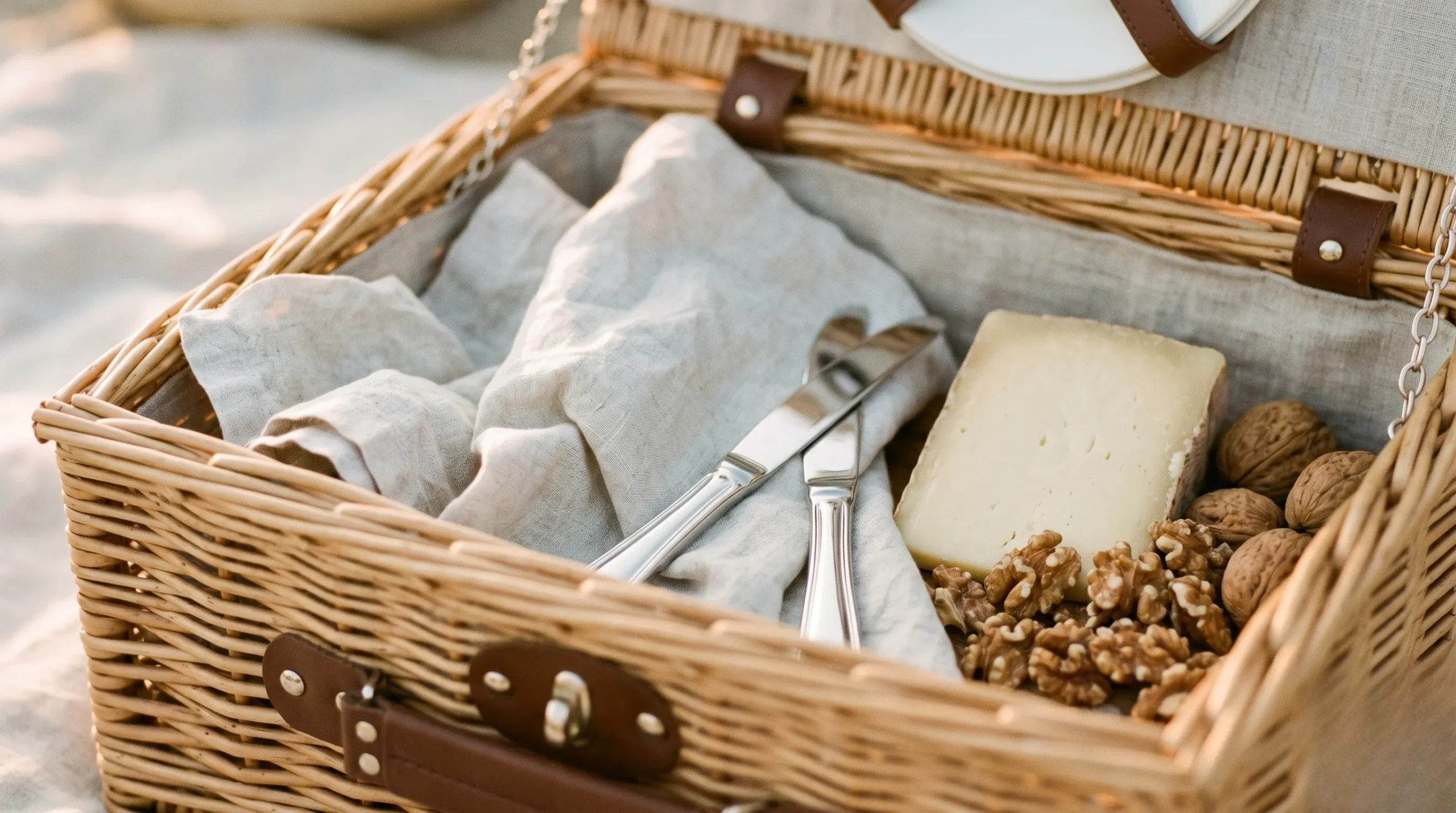
Look for hand-split willow from the Loire Valley, lined with linen and fitted with leather straps that will patina beautifully over decades of use.
A grower Champagne from a sustainable vineyard adds a layer of depth, celebrating the terroir while you sit directly upon the very earth that nurtured the grapes.
IV. Epilogue: The Eternal Elegance of Al Fresco Dining
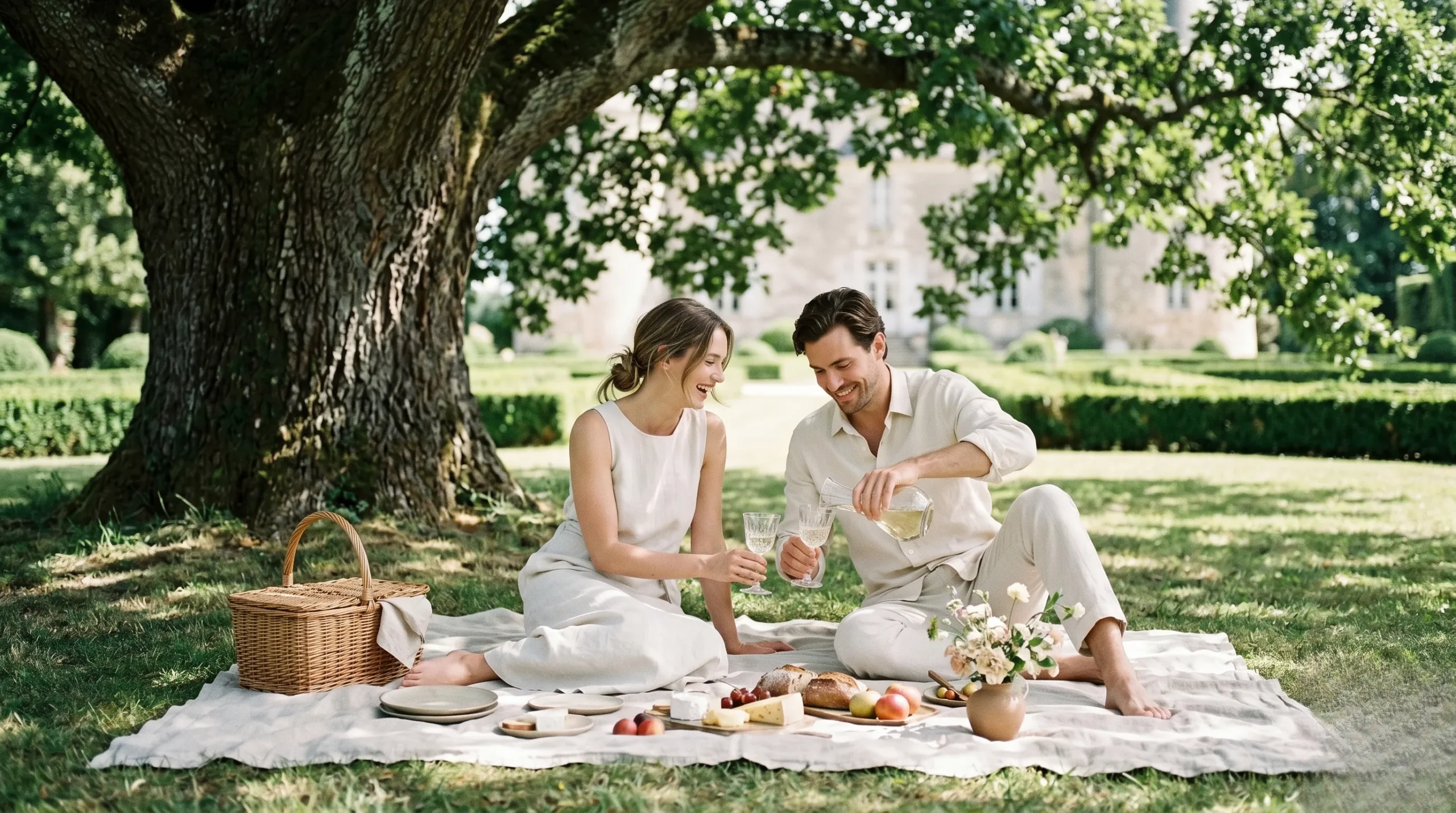
Whether one dines in the tall grasses of the Luberon or a hidden terrace in the city, the act of picnicking remains an enduring testament to the French art of living well. It is a tradition that invites us to slow down, to invest in the quality of our tools, and to find the supreme luxury in the simplest of shared moments under an open sky, as seen through the historical evolution of shared outdoor meals across different cultures.
True luxury in the outdoors is found not in the abundance of objects, but in the harmony between the basket and the landscape.
Which secret corner of the world would you choose for your next curated afternoon? ✨