



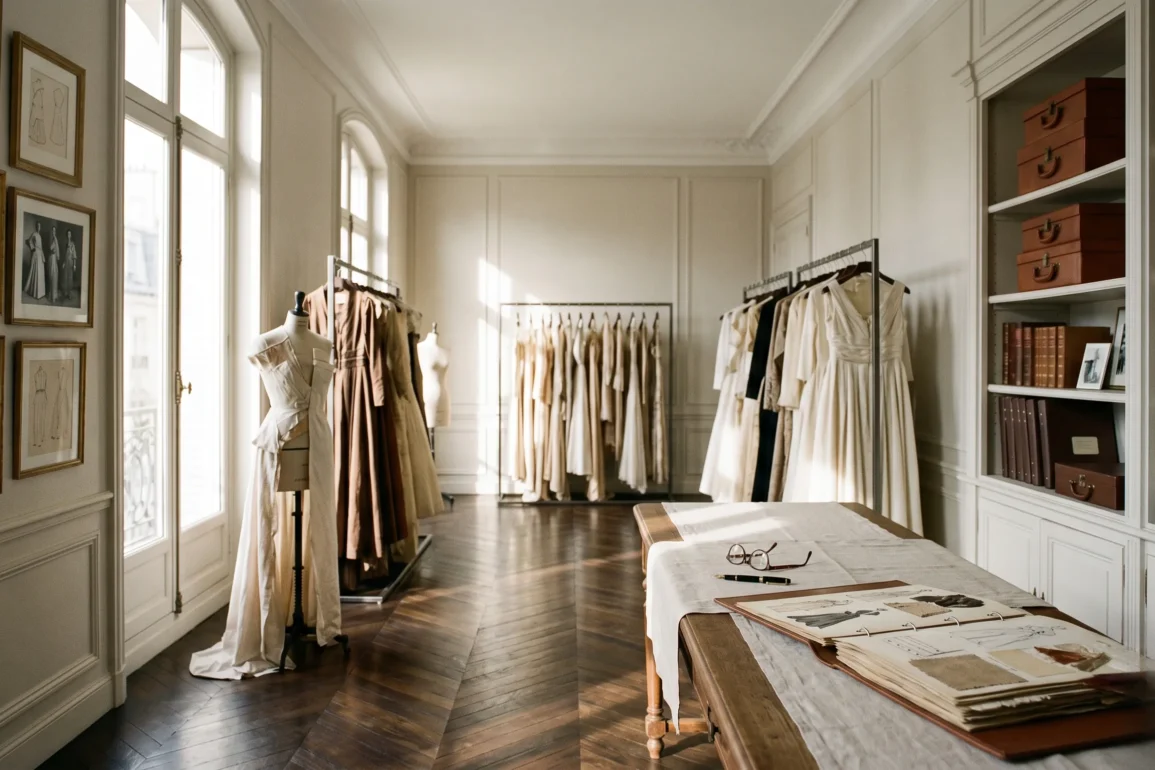
Mastering the French Silhouette
Exploring the heritage of iconic french fashion designers requires an eye for l’artisanat d’art. This guide navigates the shift from architectural structure to modern quiet luxury. We focus on the investment value of couture lineages that define the Parisian identity beyond mere trends.
The Architects of Allure: How French Master Couturiers Sculpted Modern Elegance
The first light of autumn filters through the zinc rooftops of the eighth arrondissement, catching the subtle texture of a hand-stitched hem. In this city, fashion is not a seasonal whim but a dialogue between the stone of the monuments and the drape of the silk.
While the digital world moves with frantic speed, the legacy of legendary french fashion designers remains anchored in a philosophy of permanence and poise. Understanding this heritage is the key to unlocking the secret allure of French women and their curated wardrobes.
I. The Philosophy of Parisian Nonchalance
True elegance in Paris is rarely loud, it is whispered through the precision of a cut and the quality of the textile. Parisian couture transcends simple garment making to become an architectural study of le chic sans effort, where every stitch serves a purpose of liberation or grace.
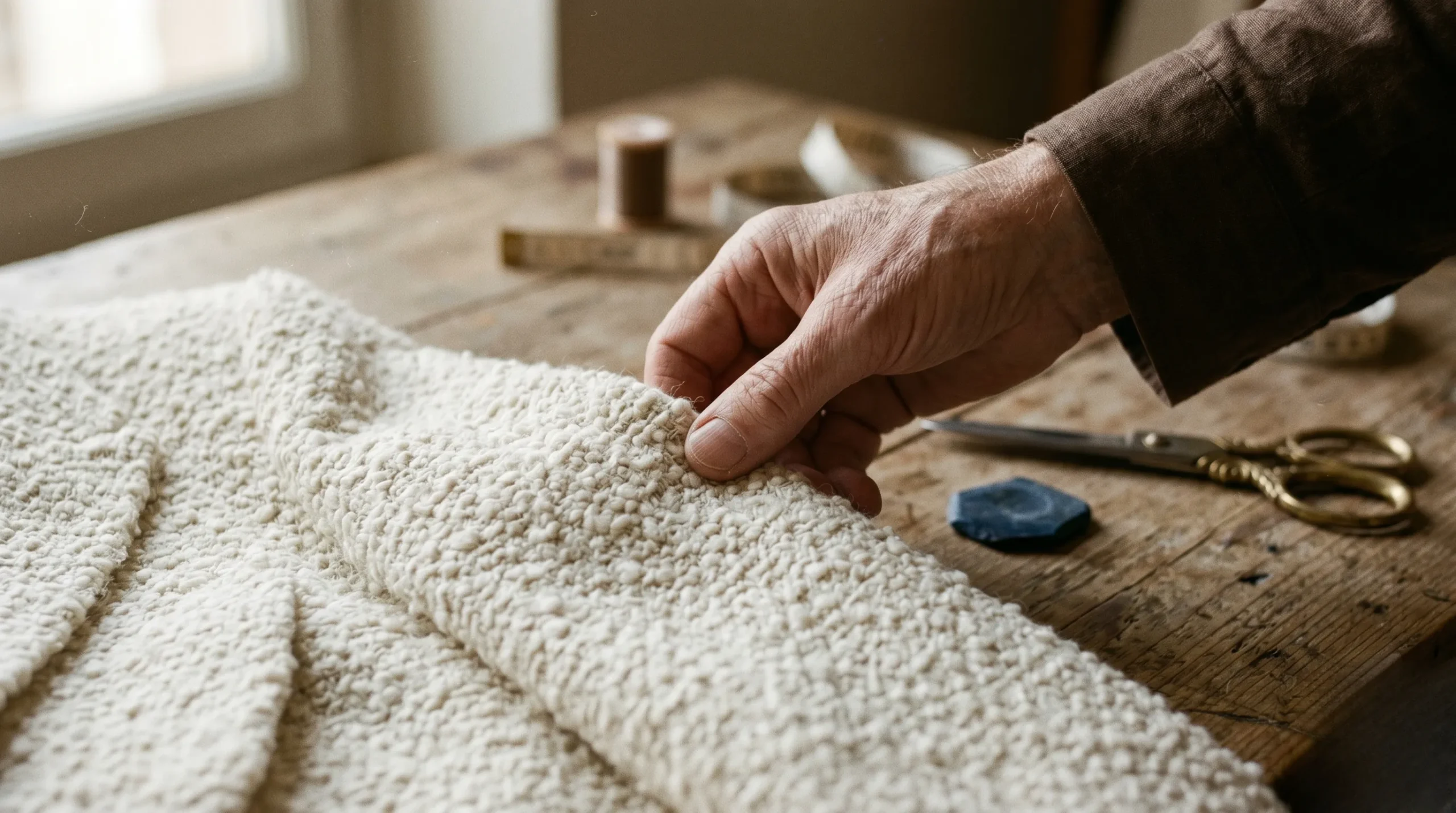
This philosophy values the silhouette over the ornament, ensuring that the woman wears the clothes rather than the clothes wearing the woman. It is an investment in self-assuredness that mirrors the timeless principles of what French people wear on a daily basis.
The Hushed Note
Master the one-third rule by leaving one element of your ensemble entirely natural. If wearing a structured couture jacket, allow your hair to remain softly undone to achieve the perfect Parisian equilibrium.
II. The Master Sculptors: A Curated Trilogy
The history of French style is written by hands that understood the weight of fabric and the geometry of the female form. Three visionaries, in particular, fundamentally altered the course of how we perceive luxury today.
A. Gabrielle Chanel: The Liberation of Silhouette
Chanel did not merely design clothes, she engineered a new way of existing in the world. By reclaiming jersey from undergarments and refining fluid geometry, she transformed the concept of comfort into the ultimate luxury statement.
The Distinction
Belle Époque Corsetry
A period defined by structural constraint and rigid silhouettes that prioritized artifice over the natural form.
The Chanel Suit
A revolutionary embrace of structural freedom, allowing for movement without sacrificing an ounce of sophisticated distinction.
B. Christian Dior: Architect of the Dream
In 1947, Christian Dior utilized his background in architecture to create the “New Look,” a study in volume and mathematical precision. His work was a rebirth of opulence, using fabric weight to sculpt an idealized version of French femininity.
The Secret
The iconic Bar Jacket hides a masterful interior construction. Dior used secret layers of cambric and percale to sculpt the waistline while ensuring the wearer maintained a sense of effortless poise.
C. Yves Saint Laurent: The Genderless Revolution
Saint Laurent brilliantly borrowed the codes of masculine tailoring to empower the modern woman. By introducing “Le Smoking,” he established a sophisticated vocabulary where power and sensuality coexist in perfect harmony.
The Archival Investment Edit
1. The 1966 Tuxedo Jacket
A vintage Saint Laurent tuxedo jacket is the ultimate heirloom, offering a sharp silhouette that never fades from relevance.
2. The Classic Gabardine Trench
Sourcing a mid-century trench from Parisian luxury archives ensures a garment built with craftsmanship that modern fast-fashion cannot replicate.
III. The Legacy of Quiet Luxury in Modern Haute Couture
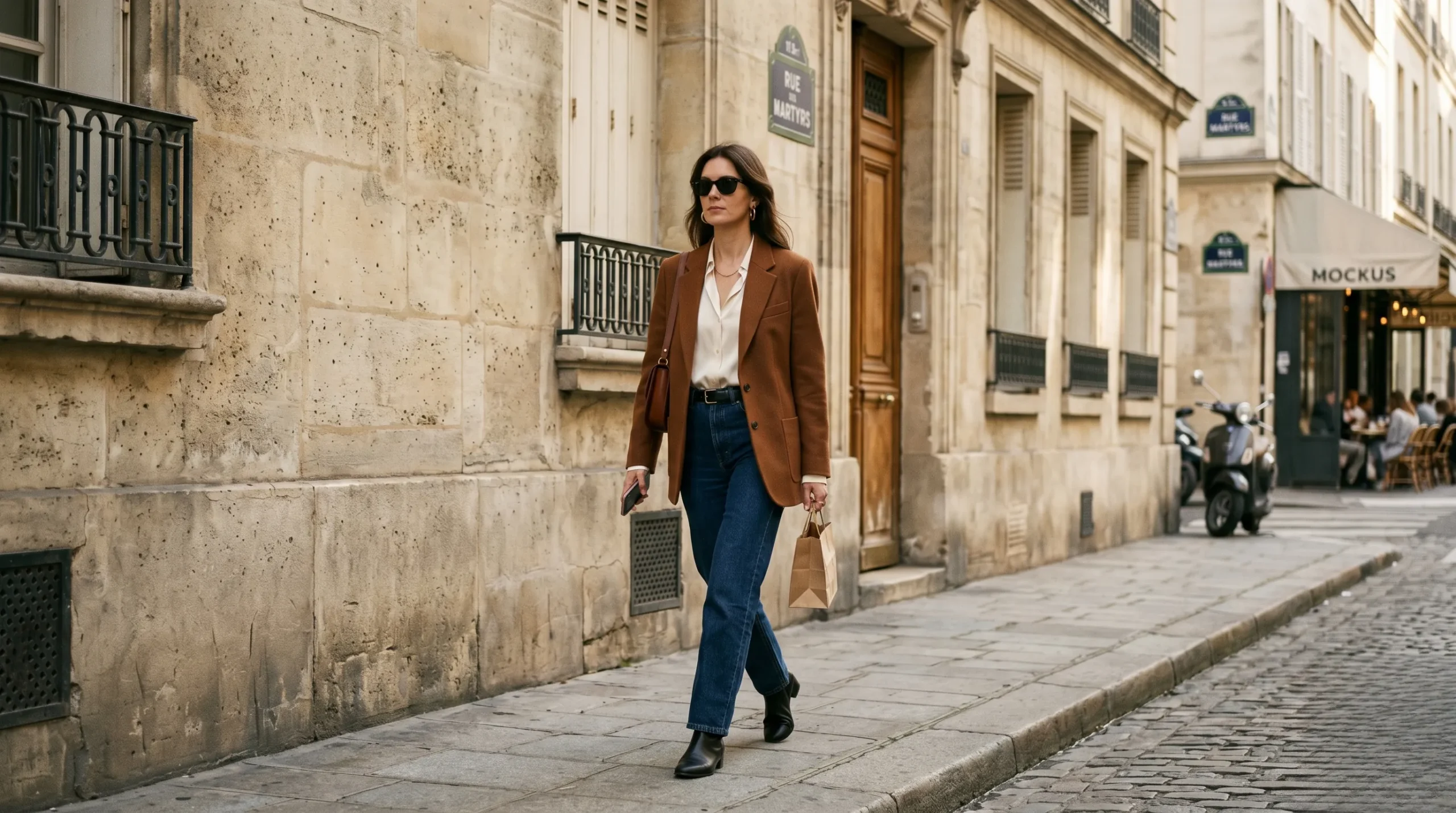
Today, the descendants of these houses continue to preserve archival heritages while adapting to a digital world. The survival of les petites mains, the master seamstresses in the hidden ateliers, remains the ultimate protector of true luxury.
As we look toward the future, the emphasis remains on sustainable investment and the artisan’s touch, as detailed in this comprehensive overview of the industry’s history. It is this commitment to excellence that keeps the spirit of Paris alive in every fold of fabric.
The Hushed Note
For top-tier collectors, it is possible to book a private viewing of historical archives in Paris. This exclusive privilege allows you to witness the evolution of stitches that defined modern elegance.
Conclusion
To understand the world of french fashion designers is to appreciate the slow passage of time and the beauty of enduring craftsmanship. It is an invitation to choose quality over quantity, anchoring your personal style in the timeless narrative of Parisian excellence and sustainable beauty.
Rule for the 2026 Edit
Invest only in pieces that possess a distinct architectural soul and a lineage of artisanal integrity.
Which iconic silhouette has most influenced your personal journey into quiet luxury? ✨