
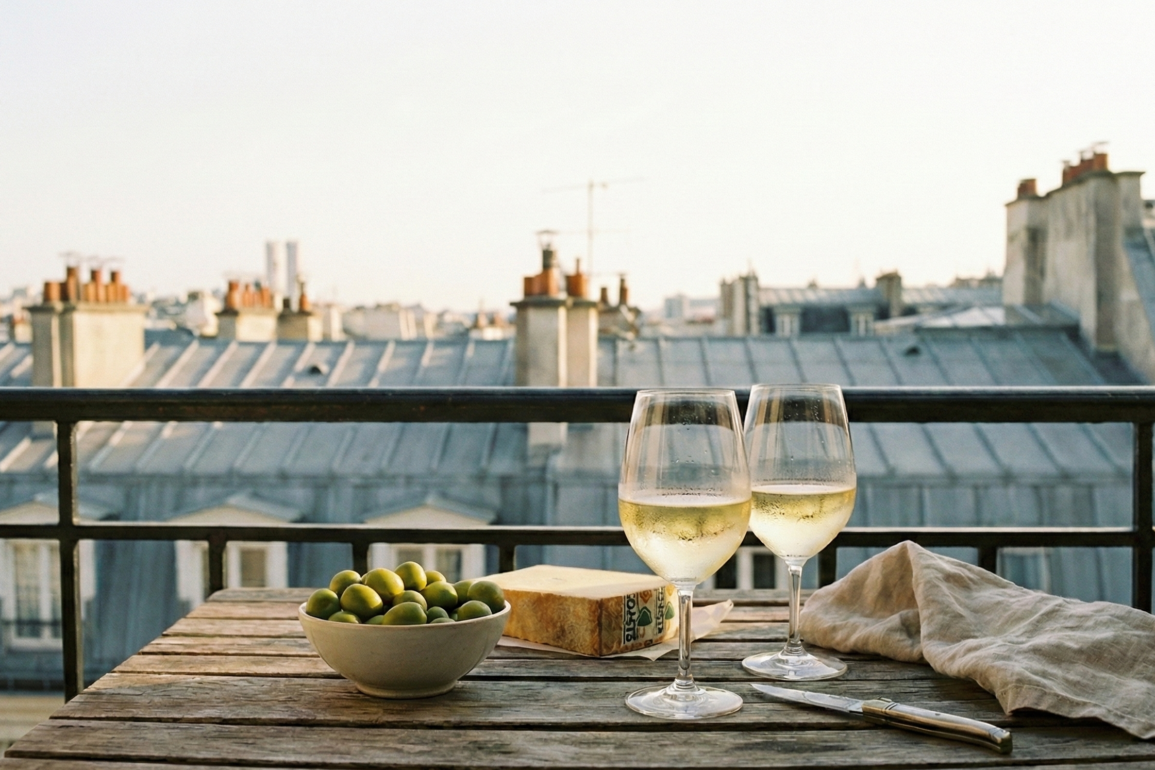
French Aperitif
A French aperitif (or “l’apéro”) is a pre-dinner social ritual in France meant to “open” the appetite. Unlike American Happy Hour, it focuses on conversation and quality over quantity. It typically occurs between 6 PM and 9 PM, featuring light alcoholic beverages like wine or Kir, paired with small savory bites like olives, nuts, or cheese, serving as a transition between work and the evening meal.
The Art of French L’Apéro: The Ultimate Guide to Hosting Like a Parisian
I. The Golden Hour Strategy
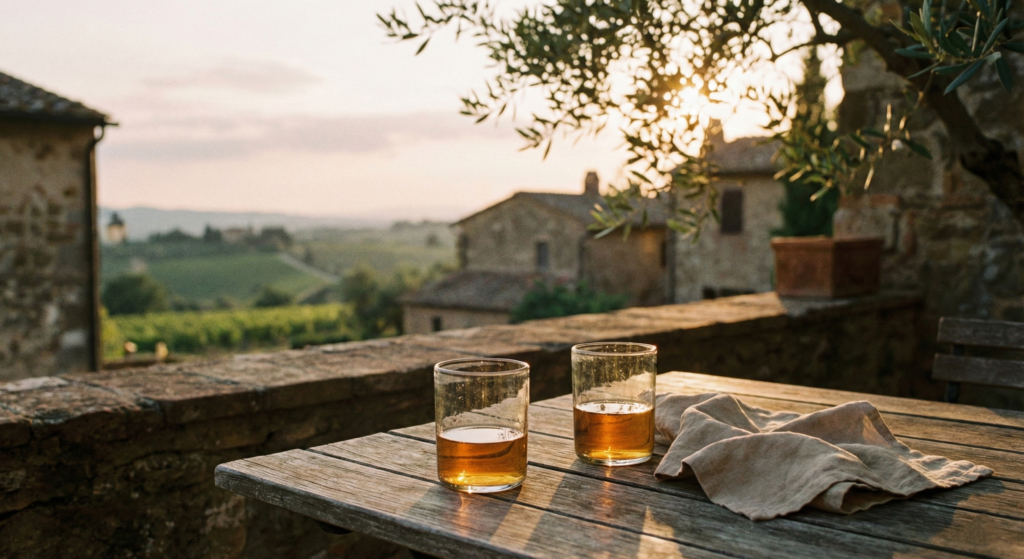
Imagine the scene: it is 7 PM in Paris. The light is turning a soft, honeyed gold, hitting the Haussmann facades just right. You hear the distinct pop of a cork and the murmur of conversation rising from street-side terraces.
This is the golden hour.
It is the time for the French aperitif, a sacred ritual that acts as a decompression chamber between the stress of the workday and the intimacy of dinner. It is not about getting intoxicated; it is about pausing time.
II. What is “L’Apéro”? (More Than Just a Drink)
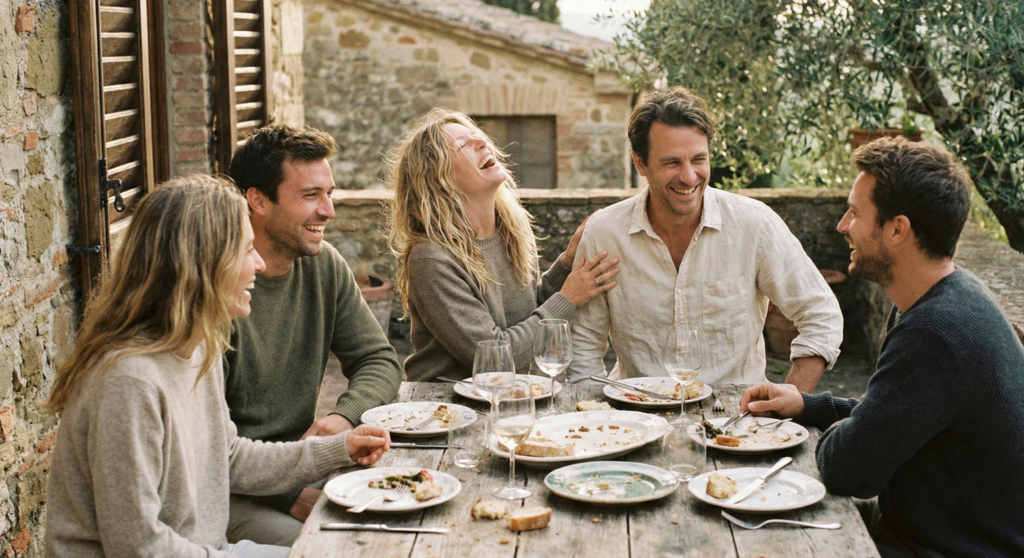
To understand the apero meaning, look at its Latin root: aperire, which means “to open.”
The goal is quite literally to open your appetite and your conversation.
In the US, “Happy Hour” often implies cheap drinks and volume.
In France, apero in France is a curated moment of connection. It is elegant, slow, and intentional.
It is the art of doing nothing, beautifully.
Timing is everything. A true apéro happens between 6:30 PM and 8:30 PM. If you invite guests for 5 PM, they will think it is tea time. If you invite them past 9 PM, they will expect dinner.
III. The Holy Trinity of Drinks
Forget the heavy cocktails.
The rule here is refreshment and balance.
The Classics
Nothing screams “Parisian terrace” like a Kir (white wine with a splash of crème de cassis) or a crisp glass of Champagne.
In the South, the anise-flavored Pastis reigns supreme, served with a carafe of ice water.
The Modern Wave
Today’s Parisian hostess often leans towards Natural Wines (look for “Pet-Nat”) or lighter spritz variations using French vermouths like Lillet.
It is chic, light, and keeps the palate sharp.
The “Sans Alcool”
Sophistication doesn’t require alcohol.
Premium syrups (like artisanal grenadine) with sparkling water or complex, botanical mocktails are standard.
To truly sound like a local while clinking glasses, try using these amusing french phrases.
IV. The Food Philosophy: Quality Over Quantity
Do not slave away in the kitchen. The secret to a chic French aperitif is sourcing, not cooking.
The “Rule of Three” Board
A perfect board needs balance:
Something Creamy:
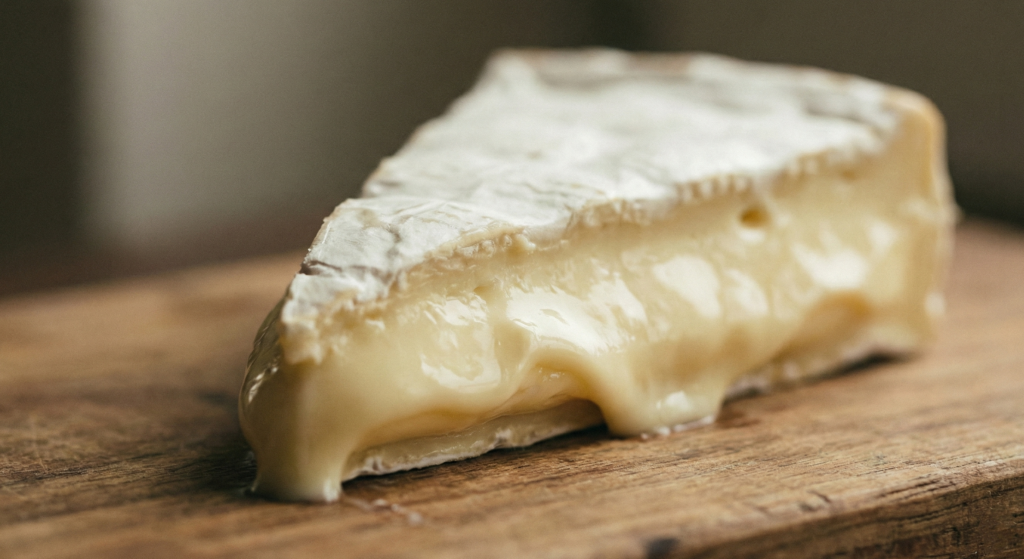
A ripe Camembert or a fresh goat cheese.
Something Salty:
High-quality cured ham or rillettes or saucisson.
Something Crunchy:
Radishes with salted butter or artisanal crackers.
Store-bought Secrets
Buy the best Lucques olives you can find.
Pick up truffle chips (very popular in Paris right now). It is better to serve three exceptional store-bought items than ten mediocre homemade ones.
V. Apéro vs. Apéro Dînatoire: Knowing the Difference
This is where many get confused.
What is apero compared to its big sister?
L’apéro
Light nibbles (olives, nuts, chips) meant to precede a meal. It is an invitation to conversation; you still go to dinner afterward.
Apéro Dînatoire
A heavier affair with substantial bites (quiches, cheese boards, salads). This replaces dinner entirely and often lingers late into the evening.
If you are hosting, be clear.
Guests need to know if they should cancel their dinner reservations!
VI. The Unwritten Rules of Etiquette
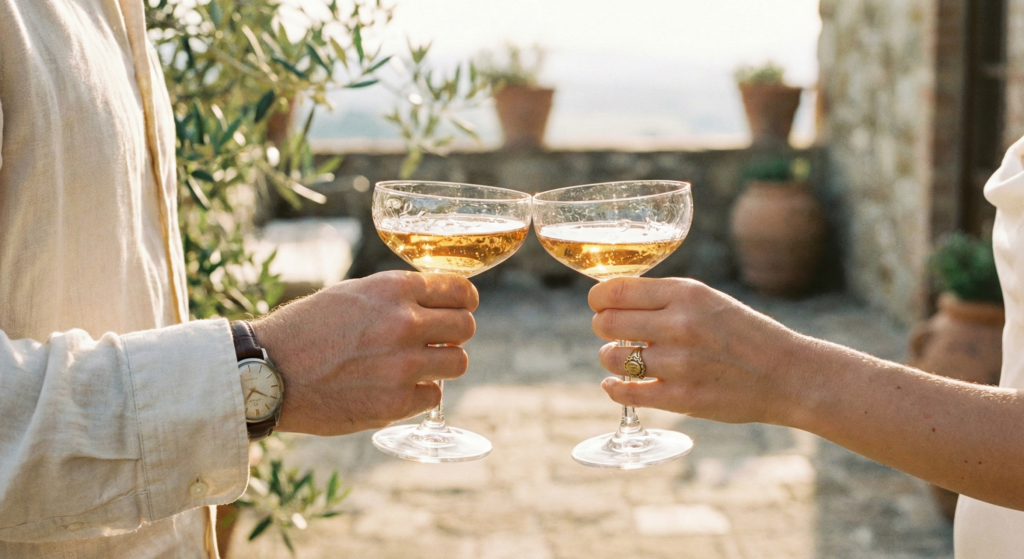
To truly master the apero French style, you must navigate the social codes.
VII. Hosting Your Own: The “French Chic” Checklist
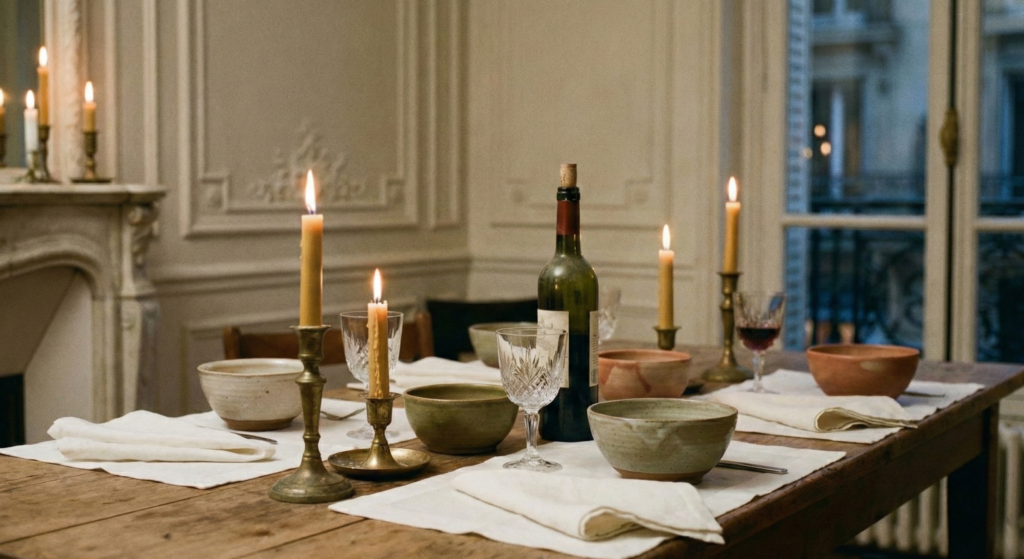
Creating the vibe is just as important as the menu.
Lighting:
Dim the lights. Use candles. No overhead lighting, ever.
Sound:
A playlist of French Indie Pop (think Clara Luciani or L’Impératrice) at a low volume.
Tableware:
Use linen napkins and small ceramic bowls. Plastic is forbidden.
Mastering the French aperitif is less about the recipe and more about the mindset. It is an invitation to slow down and savor the quality of the moment, the company, and the produce. It is the ultimate expression of French living.