



Amusing French Phrases
Mastering amusing French phrases like “pédaler dans la choucroute” (pedaling in sauerkraut) or “peigner la girafe” (combing the giraffe) allows you to move beyond tourist clichés. These expressions reflect a culture rooted in gastronomy and wit. Using these “Insider” idioms correctly signals a deep, sophisticated understanding of the authentic French art de vivre.
Beyond ‘Oh La La’: 7 Amusing French Phrases to Elevate Your Conversational Charm
Imagine the amber glow of a Saint-Germain terrace at dusk, the rhythmic clink of silver against porcelain, and the effortless wit that permeates a Parisian evening. To truly belong in these circles, one must look beyond the textbook; the real magic lies in the linguistic quirks that define l’esprit français.
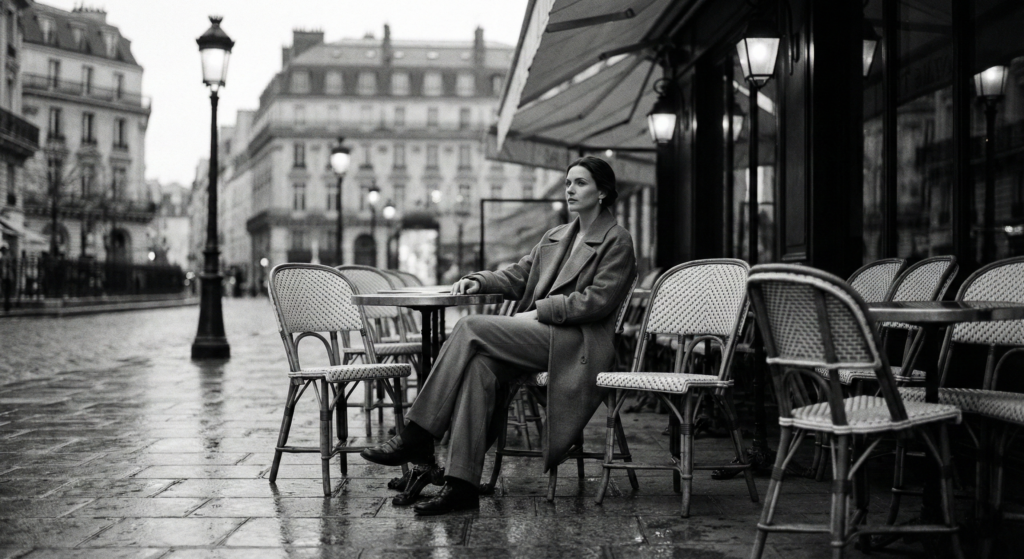
While most travelers lean on clichés, the sophisticated woman understands that using amusing french phrases is the ultimate social “open sesame.” These expressions aren’t just words, they are an invitation into a culture that prizes metaphors as much as it prizes a vintage Bordeaux.
I. Gastronomic Quirks: When Food Defines Your Mood
The French relationship with food is deeply psychological, and our language reflects this obsession. We don’t just experience a catastrophe, we reach the end of the legume aisle.
C’est la fin des haricots
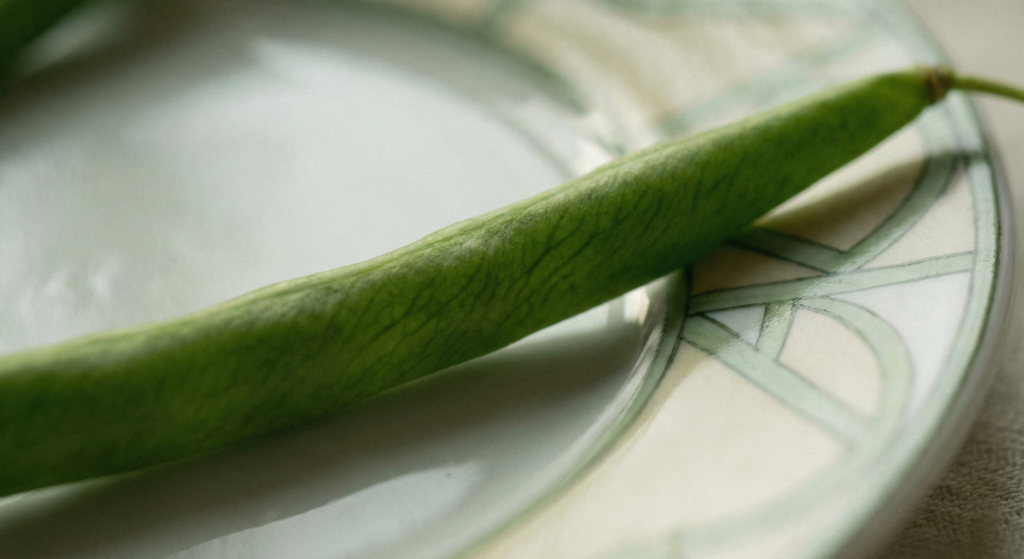
Literally translated as “It’s the end of the beans,” this is one of those funny french phrases used when everything has gone wrong. It dates back to a time when beans were the last resort in the pantry; to run out was to face the ultimate void.
Pédaler dans la choucroute
When someone is struggling to make progress or is completely lost in a conversation, they are “pedaling in sauerkraut.” It is a silly french saying that perfectly captures the absurdity of moving fast but going nowhere, much like trying to cycle through a heavy Alsatian dish.
The secret to using these expressions without sounding like a tourist is all in the delivery. Never over-articulate. Pair a phrase like “Les carottes sont cuites” with a subtle, resigned shrug, le bof, and a look of elegant indifference. It signals that you aren’t just speaking the language; you are feeling the culture.
II. The Bestiary: Animal Logic à la Française
Our bestiary is less about the animals themselves and more about the vivid, often surreal imagery they provide for our daily frustrations.
Avoir un chat dans la gorge
While Americans have a “frog in their throat,” the French prefer a cat. It feels slightly more elegant and feline, though the physical sensation of being unable to speak remains just as bothersome.
Peigner la girafe
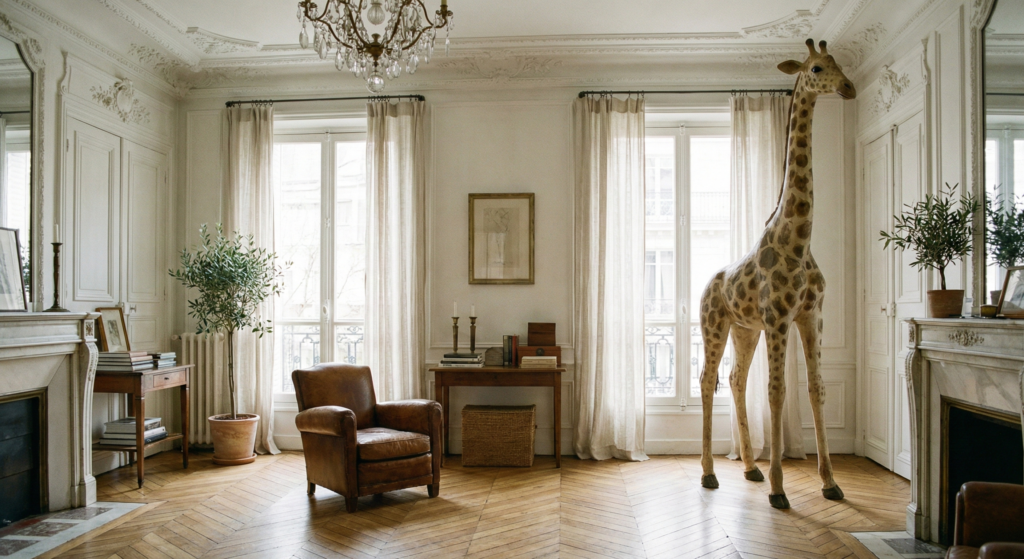
To “comb the giraffe” is to engage in long-winded, utterly useless work. In the high-stakes world of “Quiet Luxury,” knowing when a task is simply “combing the giraffe” is the hallmark of a true insider who values time and craftsmanship over busy work.
These expressions are perfect for sparking a lively conversation during a traditional french aperitif.
III. The Surreal: Onions & Velvet Underpants
Some of the most funny french lines lean into the surreal, particularly when discussing wine or personal boundaries.
S’occuper de ses oignons
If you want someone to mind their own business, tell them to “tend to their own onions.” It is one of those funny french expressions that manages to be firm yet whimsical, reinforcing the importance of privacy and personal “terroir.”
C’est le petit Jésus en culotte de velours

This is the ultimate “Luxe” hook for any oenophile. When a wine is exceptionally smooth and exquisite, a Frenchman might say it’s like “Baby Jesus in velvet underpants.” Indeed, it is a vivid, slightly irreverent way to describe sensorial perfection.
IV. Modern Spirit: Amusing Slang for the 2026 Socialite
As we navigate the social landscape of 2026, the language evolves. Moving past the 19th-century idioms, today’s “Insider” in Le Marais uses brevity to signal authority.
Therefore, expressions like “C’est n’importe quoi” (That’s nonsense/rubbish) remain staples in professional settings to dismiss lack of quality. To master amusing french phrases is to understand that French humor is a blend of high-brow intellect and grounded, earthy metaphors. By weaving these into your repertoire, you transform from an observer into a participant of the French art de vivre.